Blog
Why Sialkot Is a World Centre for Sports Goods: What Buyers Should Know

Sialkot, a city in Punjab, Pakistan, is one of the world’s main centres for sports goods. It makes an estimated 60 to 70 percent of the world’s hand-stitched footballs, and its factories also make boxing gloves, martial arts uniforms, sportswear, leather goods and surgical instruments. About 99 percent of what the city makes is exported.
Sialkot in numbers
| Fact | Figure | Source |
|---|---|---|
| Share of the world’s hand-stitched footballs | 60 to 70 percent | LUMS |
| Share of local output exported | About 99 percent | APP |
| Annual foreign exchange from small and medium firms | More than $2.5 billion | APP |
| Firms linked to the Sialkot Chamber of Commerce | More than 25,000 | APP |
What does Sialkot make?
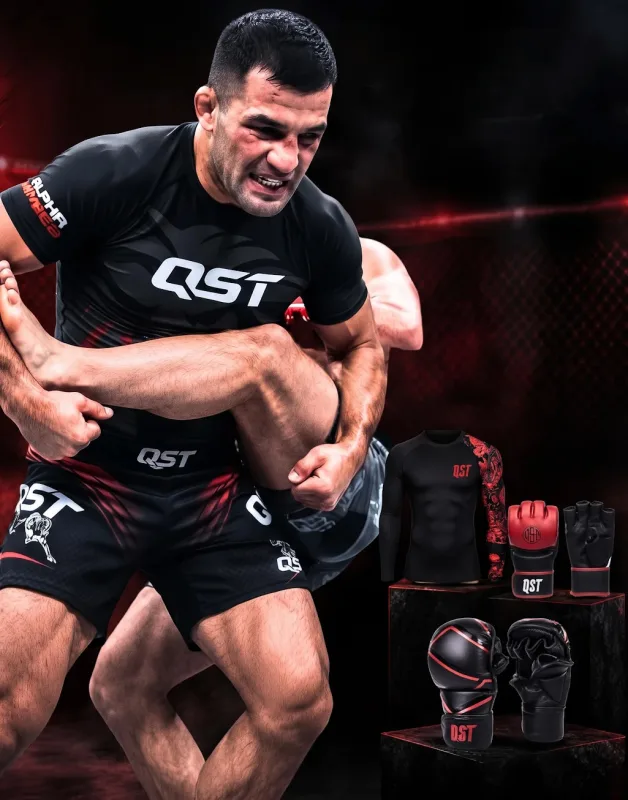
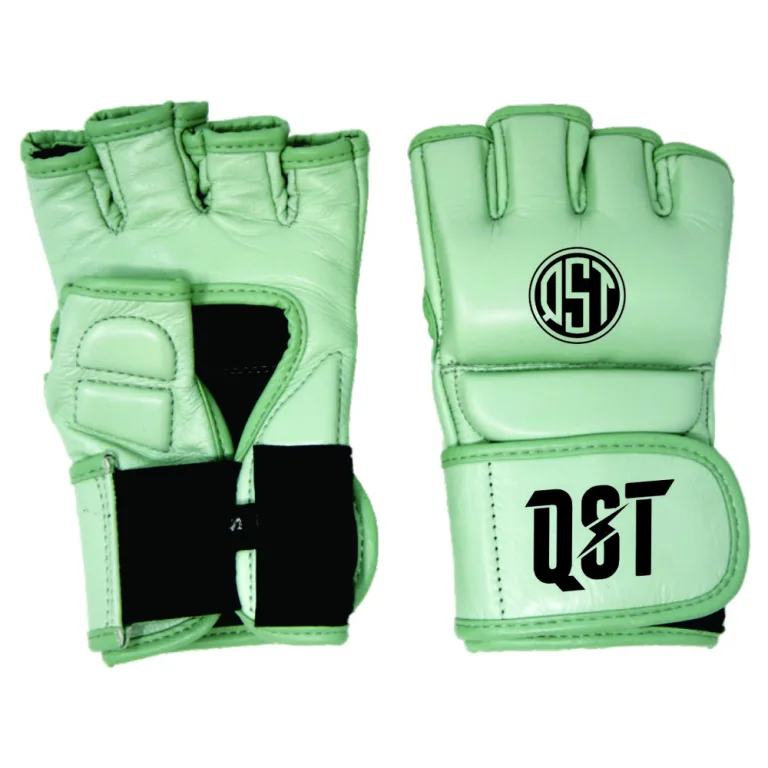
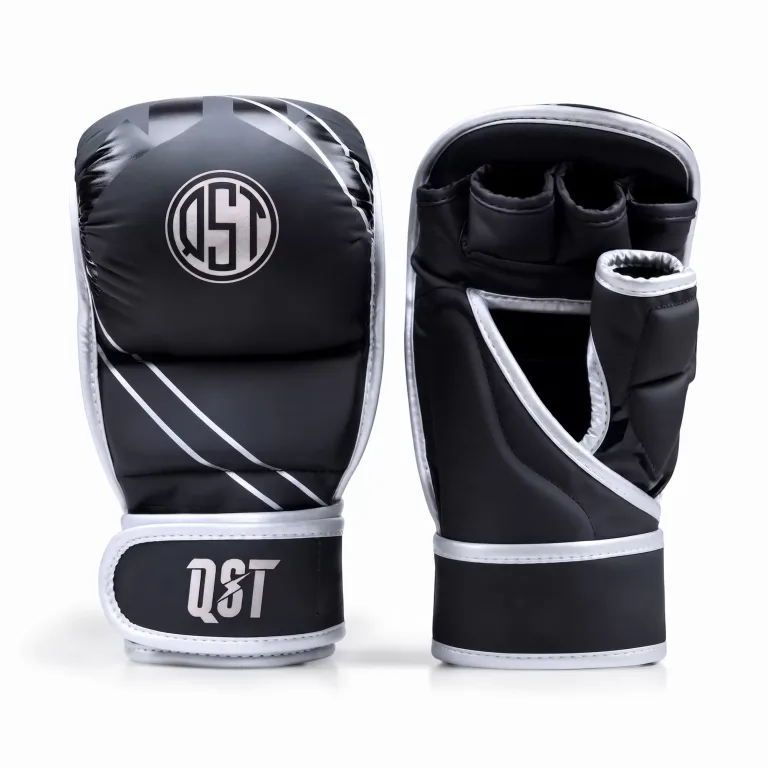
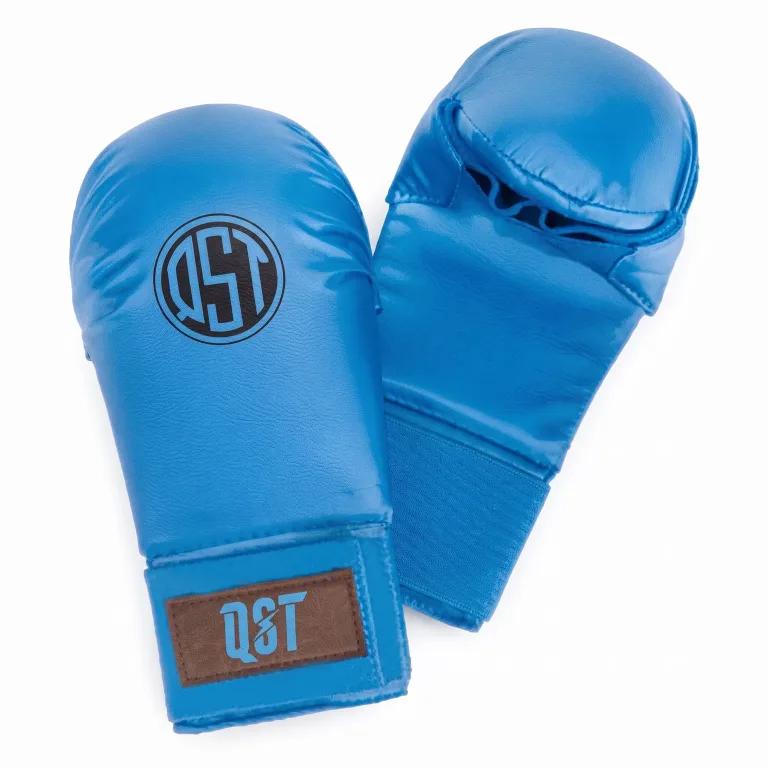
- Sports goods: footballs, hockey sticks, cricket gear and boxing gloves.
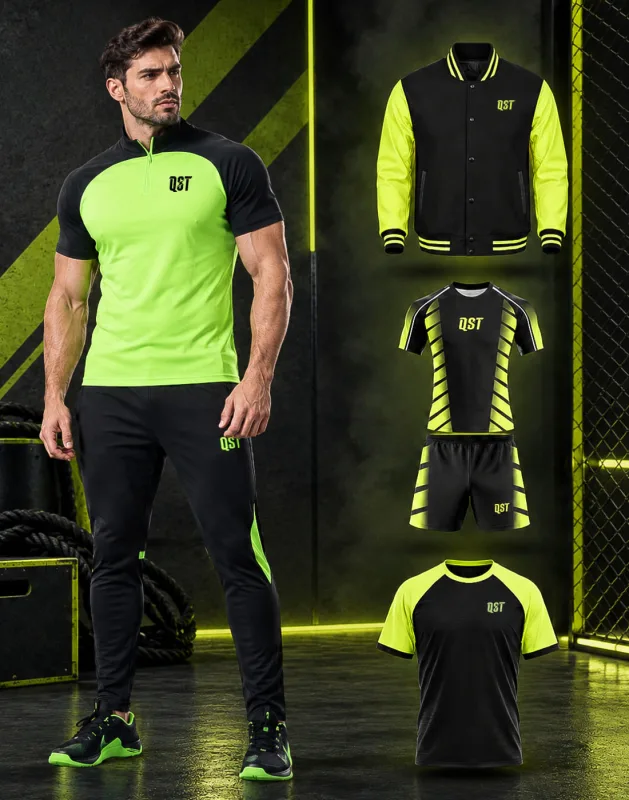
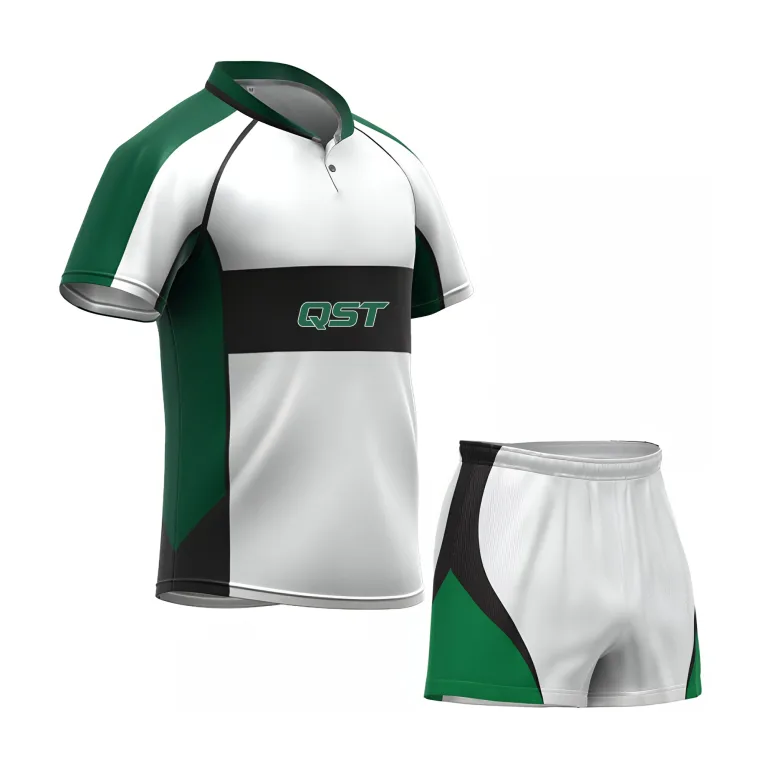
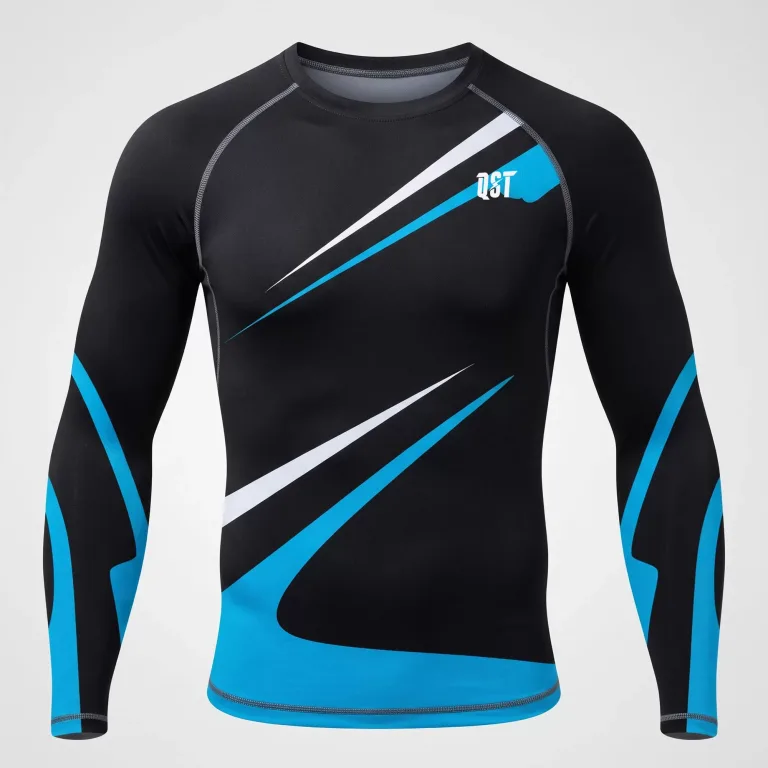
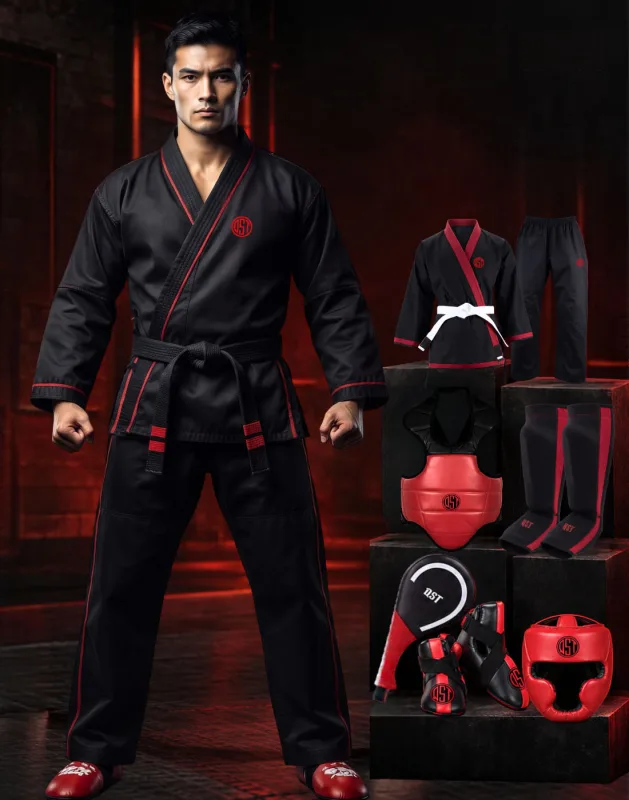
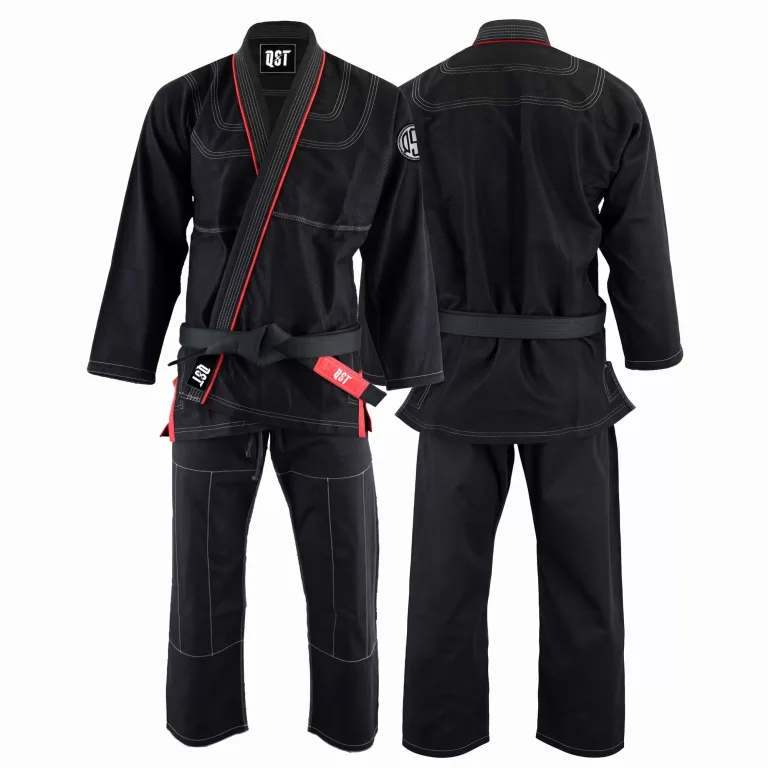
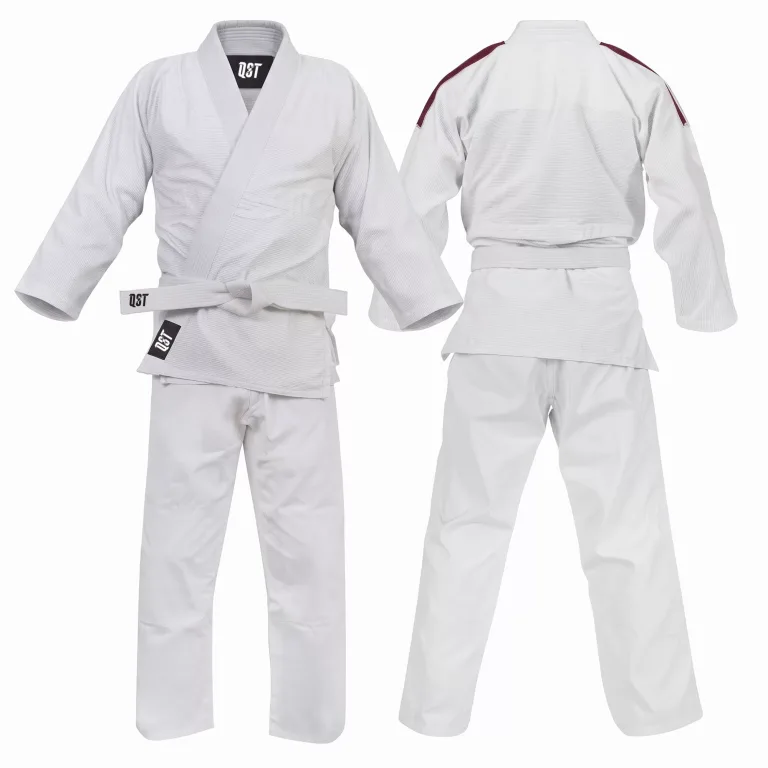
- Sportswear and uniforms: team uniforms, sportswear and martial arts uniforms.
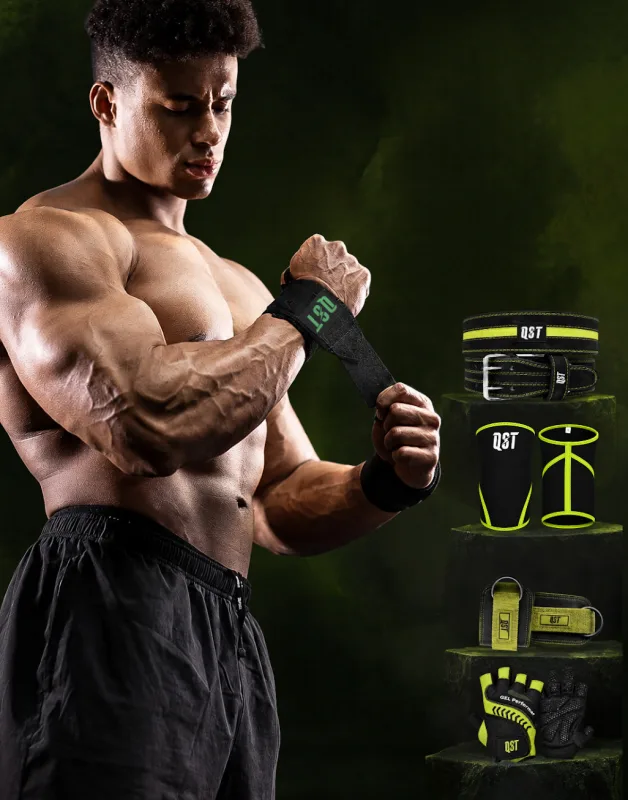
- Leather goods and gloves: including gym gloves and lifting belts.
- Surgical and dental instruments: one of the city’s oldest industries.
How did Sialkot become a sports goods hub?
The industry’s roots go back to the colonial period, when demand for sports equipment grew around the British military presence. Leather and stitching skills built up over generations, and the city kept producing after 1947.
Pakistani made balls have been used at nearly every FIFA World Cup since 1982. Forward Sports, a Sialkot maker, produced the official match ball for several World Cups, including the 2026 ball.
Why the business community matters
Sialkot’s exporters built much of their own infrastructure. The local business community developed Sialkot International Airport together to cut travel and logistics problems for exporters, and later moved on to set up a private airline.
Ethics and audits: what changed
In the 1990s, child labour in football stitching threatened the city’s buyer relationships. The 1997 Atlanta Agreement set up monitoring and rehabilitation and helped restore buyer confidence.
Today, serious buyers expect social compliance proof. Ask any Sialkot supplier which audits and certifications it holds, and ask to see them.
How to choose a Sialkot manufacturer
- Ask for certifications and audits, such as WRAP, ISO 9001, ISO 14001, ISO 45001 and Sedex audit data.
- Ask for a physical sample before bulk, and make it the quality standard.
- Ask for a video walk through of the production floor.
- Ask how quality is checked and whether you get an inspection report with photos.
- Get MOQ, sample time, bulk time and payment terms in writing.
- Ask for references from brands in your market.
Our questions to ask before ordering custom team uniforms work for any product category.
About QST International
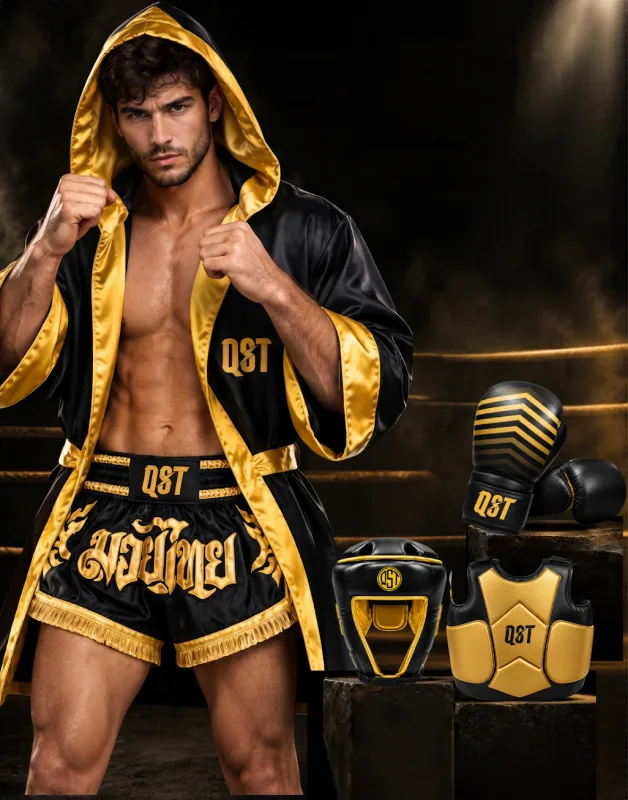
QST International is a manufacturer in Sialkot making sportswear, teamwear, weightlifting, boxing, MMA and martial arts gear for brands worldwide. The facility is WRAP certified and certified to ISO 9001, ISO 14001 and ISO 45001, and it shares its ethical audit data with buyers through Sedex. Ask for a quote or a video tour of the factory.
For a step by step checklist, read how to choose a reliable sports gear manufacturer in Pakistan.
Frequently asked questions
Where is Sialkot?
Sialkot is a city in Punjab province, in north east Pakistan, close to the border with India.
What is Sialkot famous for?
Sports goods, especially hand-stitched footballs, plus boxing gloves, sportswear, leather goods and surgical instruments.
Are World Cup footballs made in Sialkot?
Pakistani made balls have been used at nearly every World Cup since 1982, and Sialkot’s Forward Sports made the official 2026 ball.
Is it safe to source from Sialkot?
Yes, with the same checks you would use anywhere: certifications, ethical audits, a physical sample, a factory video call and an inspection report.